Blog
8 Pillars for Your Best Lab Best Life in 2025
In the highstakes world of scientific research, the relentless pursuit of discovery can often overshadow personal wellbeing, leading to stalled progress and burnout. B...
In the high-stakes world of scientific research, the relentless pursuit of discovery can often overshadow personal well-being, leading to stalled progress and burnout. But what if the secret to groundbreaking work wasn't just longer hours, but a smarter, more balanced approach? The concept of achieving your best lab best life is about creating a sustainable ecosystem where professional excellence and personal fulfilment coexist and powerfully amplify each other. This isn't just about feeling good; it's about unlocking a new level of creativity, resilience, and collaborative power.
The persistent pressure to publish and innovate can create a significant gap between our professional ideals and daily reality. To address and overcome the challenges of burnout within the lab, a detailed examination of its causes and solutions can be found in this article about understanding the connection between cognitive dissonance and burnout.
This guide moves beyond theory, offering eight concrete pillars you can implement today. We will cover everything from cultivating a thriving lab culture and mastering mental resilience to optimising your physical workspace for long-term health. Let's explore the actionable strategies that transform your laboratory from a place of work into a launchpad for your greatest achievements and a more fulfilling career.
1. Creating a Positive Lab Culture
The foundation of any high-performing team isn't just cutting-edge technology or brilliant individuals; it’s the culture that binds them. Creating a positive lab culture means intentionally building an environment where every member feels valued, respected, and genuinely motivated. This is the bedrock of the "best lab best life" philosophy, transforming a workplace from a mere collection of desks into a thriving ecosystem of innovation and support.

This environment is characterised by open communication, frequent celebration of achievements, and a shared commitment to both professional excellence and personal well-being. Think of Pixar's "Dailies," where teams gather to review unfinished work, not for criticism, but for constructive, collaborative feedback. This practice fosters a sense of collective ownership and demystifies the creative process, making it a shared journey rather than an isolated struggle.
How to Implement a Positive Culture
A truly positive lab culture is deeply rooted in understanding what is psychological safety at work and why it is vital for innovation, open communication, and team success. When team members feel safe to voice ideas, admit mistakes, and ask questions without fear of retribution, creativity flourishes.
To put this into practice, start with these actionable steps:
- Lead by Example: Culture starts at the top. Demonstrate the values you want to see, whether it's taking a proper lunch break or admitting when you don't have an answer.
- Celebrate All Wins: Don't wait for the project completion to celebrate. Acknowledge small milestones, successful experiments, and even well-handled failures. This builds momentum and morale.
- Address Conflict Proactively: Don't let disagreements fester. Establish clear, fair processes for conflict resolution and intervene early to maintain a respectful atmosphere.
- Invest in Growth: Provide tangible opportunities for professional development, such as funding for courses, conference attendance, or dedicated "innovation time," similar to 3M's famous programme.
2. Effective Time Management and Productivity Systems
In the dynamic environment of a laboratory, where long-term research goals intersect with daily experimental demands, mastering time is not just a skill; it's a strategic advantage. Effective time management and productivity systems provide the framework to navigate this complexity, transforming chaos into a structured workflow. This is a core tenet of the "best lab best life" philosophy, enabling researchers to achieve breakthroughs without succumbing to burnout.
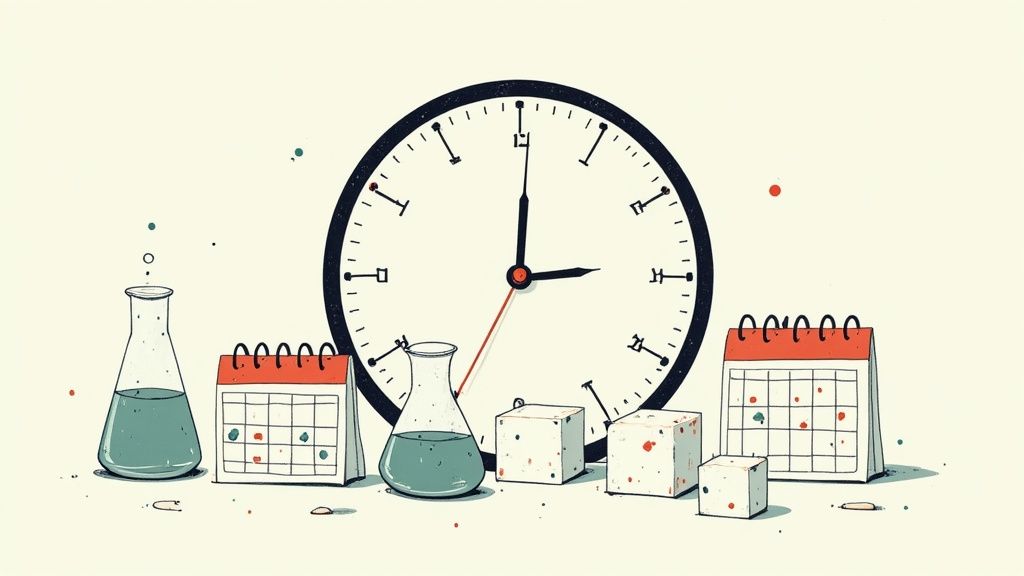
These systems are about more than just to-do lists; they are holistic approaches to prioritising tasks, focusing energy, and tracking progress. For instance, pharmaceutical labs often implement Kanban boards to visualise the flow of a project from hypothesis to data analysis, ensuring transparency and preventing bottlenecks. Similarly, many academic researchers adopt methodologies like David Allen's Getting Things Done (GTD) to capture every task and idea, freeing up mental space to focus on the deep work that drives discovery.
How to Implement Productivity Systems
Implementing a new system is a journey of customisation, not a one-size-fits-all solution. The goal is to build a personal or team-wide process that reduces cognitive load and clarifies priorities. When team members have a clear, reliable system, they can confidently focus their full attention on the critical tasks at hand, which is key to improving employee productivity.
To build a more productive lab, start with these actionable steps:
- Protect Your Deep Work: Identify your most productive hours and guard them fiercely for your most cognitively demanding tasks, as advocated by Cal Newport.
- Embrace Time Blocking: Use techniques like the Pomodoro Technique, working in focused 25-minute sprints, to maintain high concentration and prevent mental fatigue.
- Utilise Digital Tools: Leverage platforms like Trello, Notion, or Todoist to organise tasks, track project timelines, and foster team collaboration.
- Review and Refine: Schedule a weekly review to assess what's working with your system, adjust priorities, and plan the week ahead, ensuring continuous improvement.
3. Continuous Learning and Skill Development
In a world where scientific and technological advancements occur at an unprecedented pace, stagnation is the enemy of progress. Embracing continuous learning and skill development is not just about staying relevant; it’s about actively shaping your career trajectory and fuelling innovation. This principle is a cornerstone of the "best lab best life" philosophy, transforming your professional journey into a dynamic and ongoing process of growth and discovery.
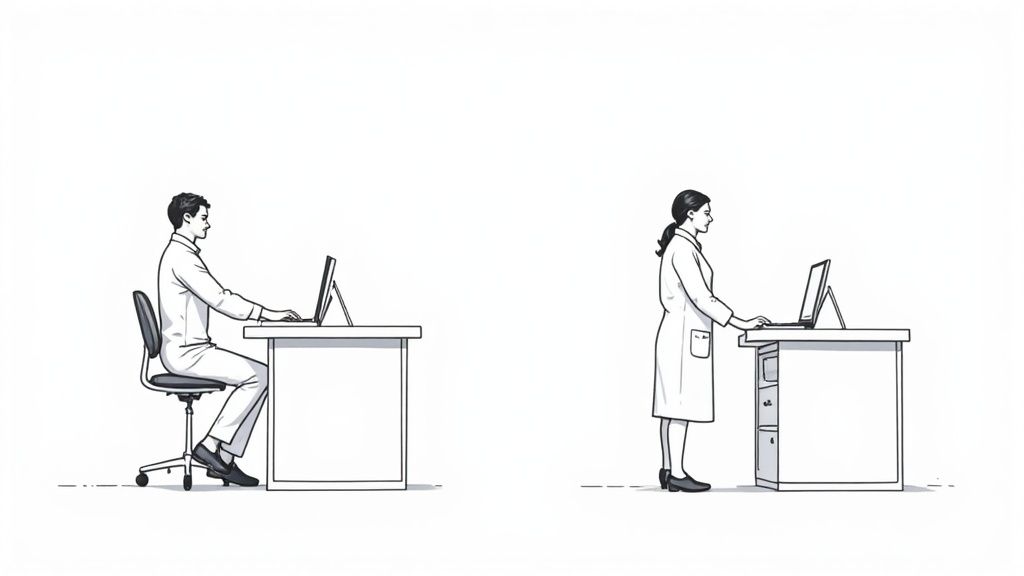
This commitment to growth is embodied by the principles of a growth mindset, popularised by Carol Dweck, where abilities are seen as something that can be developed through dedication and hard work. Think of internal journal clubs where team members dissect and discuss the latest publications, or company-sponsored attendance at major conferences. These practices don't just transfer knowledge; they build a culture where curiosity is rewarded and intellectual engagement is the norm, keeping the entire team at the cutting edge.
How to Implement Continuous Learning
A systematic approach to skill acquisition turns aspiration into tangible expertise. It involves creating a structured yet flexible plan that aligns personal growth with the lab's overarching goals, ensuring that every learning opportunity provides maximum value for both the individual and the team.
To put this into practice, start with these actionable steps:
- Create a Personal Learning Plan: Define specific, measurable goals for the skills you want to acquire over the next quarter or year. This could be mastering a new analytical technique or becoming proficient in a programming language.
- Schedule Dedicated Learning Time: Block out time in your calendar specifically for learning, even if it's just 30 minutes a day to read industry publications. Treat this time as you would any other important meeting.
- Leverage Formal and Informal Resources: Utilise platforms like Coursera or Nature Masterclasses for structured courses, but also organise internal skill-sharing sessions where colleagues can teach each other.
- Seek and Offer Regular Feedback: Actively ask for constructive feedback to identify areas for improvement and skill gaps. This creates a supportive loop that accelerates development for everyone involved.
4. Workplace Ergonomics and Physical Well-being
The long hours spent pipetting, analysing data, or standing at a lab bench can take a significant toll on the body. A key part of the "best lab best life" philosophy involves proactively designing a physical workspace that supports, rather than strains, the body. Workplace ergonomics is the science of fitting the job to the worker, optimising the environment to reduce physical stress, prevent long-term injury, and boost overall comfort and productivity.
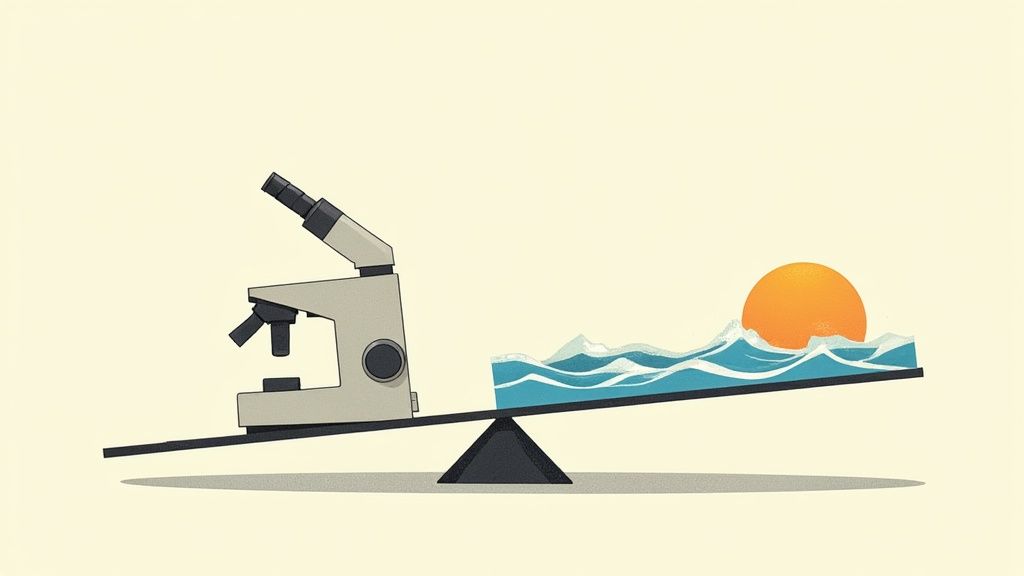
This goes far beyond just a comfortable chair; it’s a holistic approach to every physical interaction in the lab. Consider modern research facilities that provide standing desks equipped with adjustable monitor arms, allowing scientists to change their posture throughout the day. Similarly, the development of ergonomic pipettes and other specialised lab tools, popularised by organisations like the Human Factors and Ergonomics Society, directly addresses the repetitive strain injuries common in research settings.
How to Implement Better Ergonomics
A proactive approach to physical well-being prevents burnout and keeps your team focused and energised. Aches, pains, and fatigue are significant distractors that can diminish the quality of high-precision work. By making small, intentional adjustments to the physical environment, you can create a space that fosters sustained focus and health.
To put this into practice, start with these actionable steps:
- Optimise Your Workstation: Position monitors at arm's length with the top of the screen at or slightly below eye level to prevent neck strain. Ensure your feet rest flat on the floor when seated.
- Encourage Regular Movement: Promote the use of micro-breaks. A simple rule is to stand, stretch, or walk for a minute or two every 30 minutes to break up long periods of static posture.
- Invest in Ergonomic Tools: Provide adjustable chairs, anti-fatigue mats for standing areas, and tools designed to minimise repetitive strain. Even small investments can yield significant long-term health benefits.
- Provide Training and Assessments: Organise workshops on proper lifting techniques for heavy equipment and offer professional ergonomic assessments to help individuals customise their own spaces.
5. Effective Communication and Collaboration Skills
Brilliant science can fall flat if it isn't communicated effectively. The ability to articulate complex ideas clearly, collaborate across disciplines, and build strong professional relationships is just as crucial as the research itself. Mastering communication transforms a solitary scientist into a connected, influential member of the scientific community, directly contributing to the "best lab best life" ideal by fostering teamwork and amplifying impact.
This skill set extends beyond just presenting at conferences. It's about the daily interactions within the lab, the clarity of emails to collaborators, and the ability to inspire a shared vision. Consider the success of large interdisciplinary efforts like the Human Genome Project, which depended entirely on seamless collaboration between hundreds of researchers across the globe. Their success was built not just on scientific prowess, but on a foundation of exceptional communication and shared protocols.
How to Implement Effective Communication
Developing these skills requires a conscious and organised effort, moving beyond technical training to embrace the human side of science. Strong communication bridges the gap between different teams and time zones, an area where understanding tools for asynchronous communication becomes incredibly valuable. When team members can convey ideas clearly without needing immediate, real-time meetings, productivity and flexibility soar.
To put this into practice, start with these actionable steps:
- Practise Your Elevator Pitch: Be able to explain the core of your research and its significance in under two minutes. This is invaluable for networking and impromptu opportunities.
- Adapt to Your Audience: Learn to tailor your language and level of detail, whether you are speaking to a fellow expert, a student, or a member of the public at a Science Slam.
- Utilise Visuals Effectively: A well-designed slide or figure can communicate more than paragraphs of text. Study the principles of presentation design from experts like Nancy Duarte.
- Develop Emotional Intelligence: Actively work on understanding social cues, managing relationships, and demonstrating empathy. This is the cornerstone of effective leadership and teamwork.
6. Stress Management and Mental Health Practices
The intense, high-stakes nature of laboratory work can often lead to significant stress and burnout. Embracing robust stress management and mental health practices is not an optional extra; it's a core component of building a sustainable and productive lab environment. This is a critical pillar of the "best lab best life" ethos, ensuring that the brilliant minds driving innovation are also resilient, healthy, and supported.
This involves a proactive, rather than reactive, approach to well-being. It means integrating evidence-based strategies into the daily fabric of the lab to manage pressure before it becomes overwhelming. Consider Google's highly successful 'Search Inside Yourself' programme, which equips employees with mindfulness and emotional intelligence skills. By normalising mental health support, labs can cultivate an atmosphere where team members feel empowered to manage their well-being and perform at their best.
How to Implement Mental Health Practices
A healthy lab is one where mental health is treated with the same seriousness as physical safety. To combat burnout and cultivate a healthier environment, implementing effective workplace stress reduction tips is crucial for everyone in the lab, from the principal investigator to the newest intern. To learn more about specific techniques, you can explore a range of mental health practices designed for high-pressure settings.
Begin integrating these practices with the following actionable steps:
- Introduce Mindfulness: Start small by encouraging 5-10 minute mindfulness breaks using apps like Headspace or Calm. This can help reset focus and lower stress levels during a demanding day.
- Encourage Boundary Setting: Promote a culture where switching off after work is respected. Discourage after-hours emails and lead by example in taking proper time off to recharge.
- Provide Accessible Resources: Ensure everyone knows how to access Employee Assistance Programmes (EAPs) or other institutional mental health resources confidentially and without stigma.
- Identify Stress Triggers: Facilitate team discussions to identify common stressors in your lab's workflow and collaboratively develop strategies to mitigate them.
7. Goal Setting and Performance Tracking
Direction without destination is just wandering. To achieve a "best lab best life," both individual researchers and the team as a whole need a clear roadmap. A systematic approach to goal setting and performance tracking transforms vague ambitions into a tangible, actionable plan, providing clarity, motivation, and a measurable sense of accomplishment. It’s the difference between hoping for a successful career and strategically building one.
This process involves defining what success looks like at every level, from a single experiment to a five-year career plan. Consider how tech companies like Google use Objectives and Key Results (OKRs) to align the entire organisation around ambitious goals. In a lab setting, this could translate to setting a primary objective of publishing in a high-impact journal, with key results being the successful completion of specific experiments, drafting the manuscript by a set date, and submitting it to target journals.
How to Implement Goal Setting and Tracking
A well-structured goal-setting framework provides the scaffolding for professional growth and project success. It ensures that daily efforts are directly contributing to larger, meaningful outcomes. For those looking to dive deeper, you can explore various frameworks for Goal Setting and Performance Tracking to find what best suits your lab's needs.
To get started, integrate these practical steps into your workflow:
- Make Goals SMART: Ensure every goal is Specific, Measurable, Achievable, Relevant, and Time-bound. Instead of "work on a new paper," a SMART goal is "complete the data analysis and write the first draft of the manuscript for Project X by the end of Q3."
- Break It Down: Deconstruct large, intimidating goals into smaller, manageable tasks. A five-year career goal can be broken down into annual milestones, quarterly objectives, and even weekly to-do lists.
- Establish Regular Check-ins: Schedule quarterly or bi-annual reviews to assess progress, celebrate achievements, and adjust goals as priorities shift. These meetings are crucial for staying on track and adapting to unforeseen challenges.
- Use Accountability Partners: Share your goals with a mentor, supervisor, or trusted peer. This external accountability creates a powerful incentive to follow through and provides a valuable source of support and feedback.
8. Work-Life Integration and Boundary Management
The pursuit of scientific breakthroughs often demands intense dedication, but the "best lab best life" philosophy argues that sustainable success is impossible without a healthy work-life integration. This isn't about a perfect, rigid balance; it's a dynamic approach to harmonising professional responsibilities with personal life, setting firm boundaries to prevent burnout while fueling high performance. It's the art of being fully present, whether you're at the bench or with your family.
This strategy acknowledges that life and work are not mutually exclusive but intertwined. Progressive organisations are embracing this, from biotech companies offering unlimited PTO to research labs implementing core hours with flexible schedules. Think of it like a well-designed experiment: you define your parameters (work hours), set your controls (non-negotiable personal time), and measure your outputs (productivity and well-being), adjusting as needed. This prevents the all-too-common scenario where long hours lead to diminishing returns and creative exhaustion.
How to Implement Work-Life Integration
Effective integration hinges on intentionality and clear communication. It’s about consciously designing a life where professional ambition and personal fulfillment can coexist, a concept championed by thinkers like Arianna Huffington and Cal Newport. When you protect your personal time with the same rigour you protect a critical experiment, both are more likely to succeed. Discover more about work-life integration tips to build a sustainable career.
To put this into practice, start with these actionable steps:
- Define Your Boundaries: Establish clear start and end times for your workday and stick to them. Turn off work notifications on your phone outside these hours to create a true mental separation.
- Schedule Personal Time: Treat personal activities, hobbies, and rest as non-negotiable appointments in your calendar. This gives them the same importance as a lab meeting.
- Communicate Proactively: Clearly communicate your working hours and availability to colleagues and supervisors. Setting expectations upfront prevents misunderstandings and respects everyone's time.
- Conduct Regular Audits: Periodically assess how your integration strategy is working. Are you feeling recharged or drained? Be prepared to adjust your boundaries and schedules as project demands and personal needs change.
8-Key Lab Life Improvement Comparison
| Aspect | Creating a Positive Lab Culture | Effective Time Management and Productivity Systems | Continuous Learning and Skill Development | Workplace Ergonomics and Physical Well-being | Effective Communication and Collaboration Skills | Stress Management and Mental Health Practices | Goal Setting and Performance Tracking | Work-Life Integration and Boundary Management |
|---|---|---|---|---|---|---|---|---|
| Implementation Complexity 🔄 | Moderate – ongoing effort and cultural shift | Moderate – requires discipline and system adoption | Moderate – continuous commitment and planning | Low to Moderate – initial setup and training needed | Moderate – developing nuanced soft skills | Moderate – requires consistent practice and support | Moderate – needs regular review and adjustment | Moderate – setting and enforcing personal/professional limits |
| Resource Requirements ⚡ | Medium – time, budget for events and programs | Low to Medium – mostly time and digital tools | Medium – time and financial investment for courses | Medium – equipment purchase and ergonomic tools | Low to Medium – training and tool adoption | Low to Medium – time for practice, possible counseling costs | Low to Medium – tracking tools and time | Low to Medium – schedule management and communication tools |
| Expected Outcomes 📊 | ⭐⭐⭐⭐ Improved productivity, morale, retention | ⭐⭐⭐⭐ Better focus, reduced stress, higher completion rates | ⭐⭐⭐⭐ Enhanced skills, adaptability, career growth | ⭐⭐⭐ Improved comfort, reduced injuries, higher focus | ⭐⭐⭐⭐ Enhanced teamwork, leadership, impact | ⭐⭐⭐⭐ Lower burnout, improved mental/physical health | ⭐⭐⭐⭐ Increased motivation, accountability, career progress | ⭐⭐⭐⭐ Reduced burnout, improved mental health, productivity |
| Ideal Use Cases 💡 | Teams needing motivation, collaboration, retention | Labs/projects requiring high focus and structured workflows | Individuals/teams aiming for continuous professional growth | Workplaces with long hours, physical strain, injury risk | Teams requiring improved communication or cross-cultural work | High-pressure labs needing resilience and stress reduction | Settings focused on measurable progress and accountability | Environments with blurred work/personal boundaries |
| Key Advantages ⭐ | Strong culture fosters innovation and loyalty | Efficient task management maximizes productive time | Keeps skills current and competitive | Boosts physical health and sustained performance | Facilitates clear, effective teamwork and leadership | Builds resilience and promotes well-being | Clarifies priorities and drives focused achievement | Supports sustainable performance and mental health |
Building Your Integrated Lab Life
The journey towards achieving your best lab best life is not about reaching a final destination; it's a continuous, dynamic process of integration and refinement. Throughout this guide, we've navigated the eight fundamental pillars that form the bedrock of a fulfilling and high-achieving professional existence. From the collaborative energy of a positive lab culture to the personal discipline of effective boundary management, each element is a crucial thread in a much larger tapestry.
We've seen how meticulously organised time management systems can create the space for deep work and innovation, while a commitment to continuous learning ensures you and your team remain at the cutting edge. The physical foundation of good ergonomics and the mental resilience forged through stress management practices are not just add-ons; they are essential for long-term, sustainable success. These components work in synergy. Strong communication skills amplify a positive culture, and clear goal-setting provides the direction needed for both individual and collective achievement.
Your Path Forward: From Insight to Action
The true value of these principles lies not in understanding them, but in their consistent application. The path to transforming your work environment doesn't require a revolutionary overhaul overnight. Instead, it begins with small, intentional steps.
- Select a Single Focus Area: Choose one pillar that resonates most with your current challenges. Is it improving team communication, or perhaps prioritising your physical well-being?
- Implement One Small Change: Don't try to fix everything at once. Introduce a single new habit, like a 15-minute daily team huddle to enhance collaboration or a dedicated block for "no-meeting" deep work.
- Measure and Adapt: Track the impact of your change. Gather feedback, observe the results, and be prepared to adjust your approach. What works for one lab or individual may need to be tailored for another.
The most profound realisation is that your professional ambitions and personal well-being are not opposing forces. They are two sides of the same coin. By intentionally building a career that honours both, you create a powerful, self-reinforcing cycle of growth and fulfilment. This integrated approach is the very essence of cultivating your best lab best life, a state where your best work emerges from a life well-lived. Your greatest discoveries, both in the lab and within yourself, are waiting to be realised.
Ready to enhance your lab's communication and streamline your documentation workflows? Voicetta uses advanced AI to transcribe, summarise, and analyse your team's conversations, freeing up valuable time for the work that truly matters. Start building a more efficient and collaborative environment today by visiting Voicetta to see how our platform can support your journey.
Was this useful?
If this article helped, add Voicetta as a preferred source in Google Search. Your results can then highlight our writing.
Add as preferred source