
The Rise of Hotel Chatbots: From Novelty to Necessity
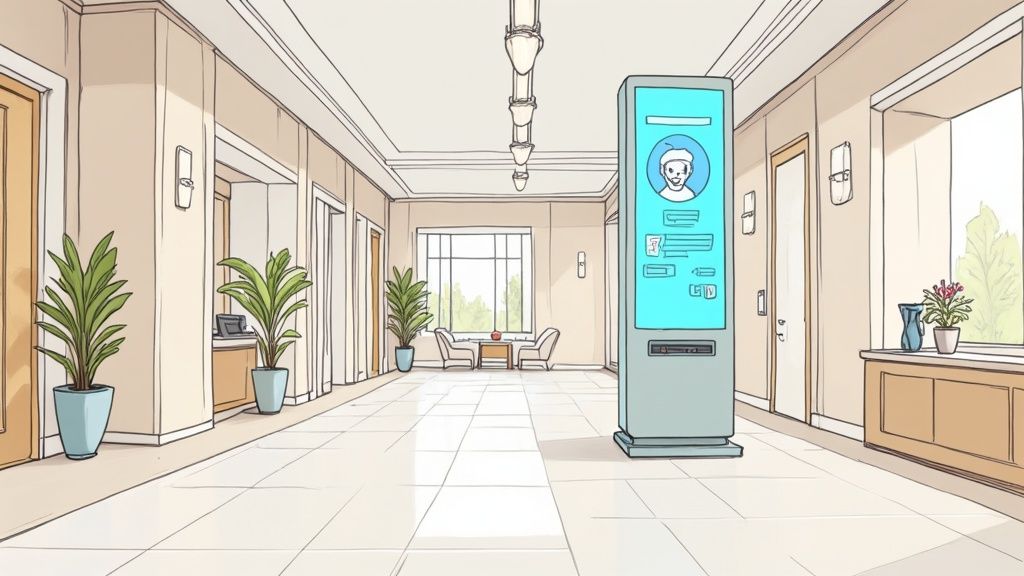
Today's travelers are all about instant results. They want quick answers and efficient service. In the fast-paced world of hospitality, hotel chatbots are rising to the occasion. These AI-powered assistants are no longer a futuristic fantasy; they are quickly becoming essential to modern hotel operations. This shift is fueled by changing consumer behavior and the increasing pressure on hotels to optimize their services.
Imagine a guest arriving late at night, wondering about airport transportation. Instead of waiting at the front desk, they can instantly connect with a chatbot on their phone. This immediate access improves the guest experience and frees up hotel staff for more complex tasks.
This illustrates the power of chatbots to boost efficiency and improve customer satisfaction. For more insights into improving your hotel service, check out this article: How Voicetta can improve your service.
From Basic Inquiries to Personalized Service
Initially, hotel chatbots primarily handled simple FAQs. However, their capabilities have grown significantly. Now, these intelligent assistants can manage a wide array of tasks, from booking rooms and processing payments to providing personalized recommendations and handling guest requests. This evolution has transformed chatbots from a simple tool into a valuable asset for hotels of all sizes.
The growing adoption of conversational AI is also reshaping the hospitality landscape. One significant trend is the use of chatbots for customer service and bookings. In fact, as of 2023, 23% of travel and hospitality companies worldwide use chatbots to handle general inquiries and bookings. Chatbot Statistics provide a more detailed look at these numbers. This data highlights the growing recognition of the value chatbots bring to the industry.
Maintaining the Human Touch in a Digital Age
While automation is important, the human element of hospitality remains crucial. The best hotel chatbots complement, rather than replace, human interaction. They handle routine tasks efficiently, allowing staff to focus on providing personalized service and building relationships with guests. This balance is essential for creating a positive and memorable experience.
This means hotels can use chatbots to enhance their service offerings without losing the personal touch that defines excellent hospitality. By strategically integrating chatbots into their operations, hotels can create a seamless and efficient guest experience from pre-arrival to post-stay communication.
Transforming the Booking Journey With Conversational AI
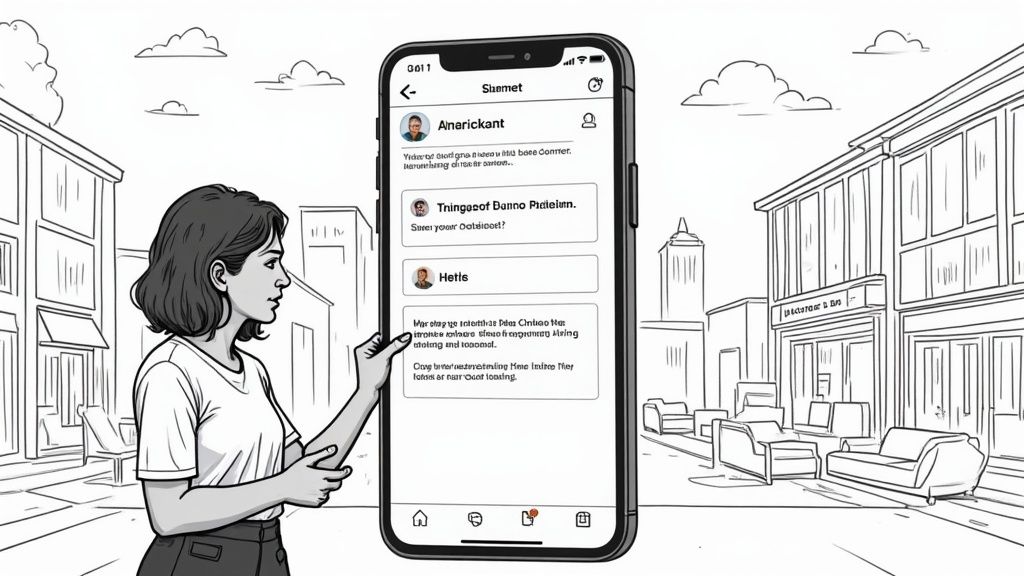
The traditional online booking process, with its multiple steps and sometimes confusing navigation, can often lead to abandoned bookings and lost revenue. Hotel chatbots, powered by conversational AI, offer a compelling solution. They streamline the booking journey, creating a more engaging and efficient experience for potential guests. These AI-powered assistants act as helpful guides, smoothing out the process and making it feel more like a conversation.
From Abandoned Carts to Confirmed Reservations
Imagine a digital concierge available 24/7. That's precisely what a hotel chatbot offers. It instantly answers guest questions about room availability, amenities, and special offers. This eliminates the need for time-consuming searches or frustrating phone calls. This immediate, readily-available support reduces friction in the booking process, encouraging guests to complete their reservations and, ultimately, boosting conversion rates.
Consider a guest planning a weekend getaway. They might have specific questions about pet policies or nearby attractions. A chatbot can provide these answers instantly, right within the booking flow. Chatbots can also offer personalized recommendations based on guest preferences, adding a thoughtful touch to the experience. This personalized approach fosters a more helpful and engaging interaction, rather than a simple transaction. Interestingly, 33% of consumers prefer using chatbots for reservations at hotels or restaurants, highlighting the increasing demand for this convenient and automated service. More statistics about the growing popularity of chatbots can be found here: Mobile travel planning with AI chatbot worldwide.
To understand the increasing impact of chatbots, let's compare traditional booking methods with chatbot-assisted bookings. The table below illustrates the key differences and highlights how chatbots contribute to a more efficient and satisfying booking experience.
To better visualize these improvements, let's look at a comparison table.
Comparing Traditional vs. Chatbot Booking Processes A comparison of traditional booking methods versus chatbot-assisted bookings across multiple efficiency and satisfaction metrics
| Booking Aspect | Traditional Process | Chatbot-Assisted Process | Improvement |
|---|---|---|---|
| Response Time | Can be delayed, especially during peak hours | Instantaneous | Significantly Faster |
| Availability | Limited to business hours | 24/7 | Always Available |
| Personalization | Limited | Highly personalized recommendations | More Relevant |
| Language Support | Often limited | Multilingual support readily available | Wider Reach |
| Booking Completion Rate | Prone to abandonment | Higher completion rates due to reduced friction | Increased Conversions |
| Customer Satisfaction | Can be inconsistent | More consistent and positive experiences | Enhanced Satisfaction |
This table clearly demonstrates how chatbots can significantly enhance various aspects of the booking process, leading to higher conversion rates and improved customer satisfaction.
Handling Peak Demand and Multilingual Support
Another key advantage of hotel chatbots is their ability to handle high volumes of inquiries simultaneously. This is particularly beneficial during peak booking periods. Hotels can maintain excellent service even when facing a surge in demand, without having to increase staffing levels. Moreover, chatbots offer invaluable multilingual support, providing a significant advantage for reaching international markets and catering to a more diverse guest base. This multilingual capability can be truly transformative for hotels seeking global expansion.
As hotel chatbots continue to evolve, understanding their foundations becomes increasingly important. Learning more about the role of AI in Customer Service can be incredibly helpful. This resource offers insights into the broader impact of AI on customer interactions across various industries. This knowledge is especially valuable as the hospitality sector increasingly relies on AI to personalize the guest experience. By effectively implementing these AI-powered tools, hotels can improve conversion rates and increase average booking values, contributing directly to their bottom line. Integrating a well-designed chatbot strategy is a crucial step towards creating a more profitable and sustainable business model.
Building Hotel Chatbots That Actually Impress Guests
In the world of hospitality, not all chatbots are created equal. Some truly elevate the guest experience, acting as helpful digital concierges, while others leave guests feeling more frustrated than assisted. The secret? Thoughtful design and implementation. What transforms a simple FAQ bot into a truly impressive tool? Let's explore the key features and design principles that create exceptional chatbot experiences.
Key Features for an Exceptional Chatbot Experience
Basic functionality isn't enough anymore. Truly effective hotel chatbots need several key capabilities to transform from a simple question-and-answer tool into a valuable asset that boosts guest satisfaction.
-
Personalization: Imagine a chatbot that remembers your guest's preferences, from their favorite room type to any dietary restrictions. This allows for tailored recommendations and services, making each guest feel truly valued.
-
Contextual Awareness: No one likes repeating themselves. A truly helpful chatbot should remember past interactions, seamlessly picking up where the last conversation left off for a natural and efficient experience.
-
Sentiment Analysis: This powerful feature lets the chatbot understand a guest's emotions. If a guest expresses frustration, the chatbot can intelligently escalate the conversation to a human agent, ensuring sensitive situations receive the personal touch they deserve.
These features combine to create a personalized and efficient guest experience, catering to individual needs and providing proactive support.
Balancing Automation With Authenticity
While automation helps streamline hotel operations, maintaining a human touch is paramount. Your chatbot's language and tone should reflect your brand’s voice and values, avoiding overly robotic or generic responses. For instance, instead of a simple "Your booking is confirmed," the chatbot could say, "We're thrilled to confirm your reservation! We look forward to welcoming you to [Hotel Name]." This subtle shift injects warmth and personality. You might be interested in How to master the art of AI communication with Voicetta. This mindful approach ensures that automation enhances, rather than detracts from, the guest experience.
Designing Helpful Conversation Flows
At the heart of effective chatbot design lies the creation of natural and intuitive conversation flows. These flows should guide guests effortlessly through their needs, anticipating potential questions and delivering clear, concise answers. For example, if a guest inquires about check-in time, the chatbot could also provide information about early check-in availability or luggage storage. This proactive approach reduces the need for multiple interactions, saving guests valuable time. Additionally, clear and concise responses are vital. Avoid overwhelming guests with lengthy text blocks. Instead, break information into digestible chunks, using bullet points or numbered lists where appropriate.
This transforms the interaction from a robotic exchange into a genuinely helpful conversation. By focusing on these core features, hotels can develop chatbots that not only meet but exceed guest expectations, ultimately leading to increased satisfaction, loyalty, and positive reviews. Building a truly impressive chatbot requires careful planning and execution, but the payoff in terms of a better guest experience and improved operational efficiency is well worth the investment. This brings us to the next crucial stage: implementing your hotel chatbot effectively.
Implementing Your Hotel Chatbot: A Strategic Roadmap
The initial buzz of implementing a new hotel chatbot is exciting. But real success requires a well-defined strategy. This section maps out the essential steps to ensure your chatbot becomes a valuable tool for enhancing guest satisfaction, not a source of frustration. It all begins with careful planning and thoughtful decision-making.
Assessing Your Hotel's Specific Needs
Before you even start looking at vendors, take the time to thoroughly assess your hotel's individual needs. What are the main pain points you hope a chatbot will address? Perhaps you want to streamline the booking process, provide quicker customer service, or create more personalized guest communication. Clearly defining these objectives will shape your vendor selection and your overall implementation strategy. This initial assessment lays the groundwork for your entire chatbot project.
Evaluating Chatbot Vendors
Once you have a solid understanding of your needs, you can start evaluating potential chatbot vendors. Look beyond the marketing hype and focus on the key factors that will determine long-term success. Consider integration capabilities with your existing systems like your Property Management System (PMS) and your Customer Relationship Management (CRM) software. Security measures are also paramount. A vendor with a deep understanding of the hospitality industry can offer tailored solutions and invaluable insights. Choosing the right partner is critical.
Planning System Integrations
Seamless integration with your existing hotel systems is essential for a successful chatbot implementation. Your chatbot needs access to real-time data from your Property Management System (PMS) and other relevant platforms. This integration will allow the chatbot to provide accurate information on room availability, pricing, and guest preferences, leading to a more personalized and efficient service. This interconnectivity truly empowers your chatbot.
Data Security and Privacy Compliance
Protecting guest data is non-negotiable. Choose a vendor that prioritizes data security and privacy compliance. Ensure they adhere to relevant regulations, such as GDPR. Secure data handling not only builds trust with your guests but also safeguards your hotel’s reputation. This is a critical consideration in today’s world. You might be interested in learning more about pricing strategies: How to master pricing with Voicetta.
Change Management and Staff Buy-In
Introducing a chatbot requires careful change management within your team. Engage your staff early on to address any concerns and highlight the benefits of automation. Show them how the chatbot can free up their time, allowing them to focus on more complex and rewarding guest interactions. Securing staff buy-in is key to a smooth implementation process.
Implementation Timeline and Progressive Enhancement
Set realistic expectations for the implementation timeline. A phased approach, beginning with core functionalities and gradually adding more features, often yields the best results. This progressive enhancement strategy allows for continuous improvement and avoids overwhelming your team. It allows you to achieve early wins while building towards a more comprehensive solution.
To illustrate a potential timeline for your chatbot implementation, consider the following table:
Hotel Chatbot Implementation Timeline
A structured timeline showing the key phases of chatbot implementation from planning through deployment and optimization.
| Implementation Phase | Key Activities | Duration | Success Indicators |
|---|---|---|---|
| Planning & Assessment | Needs analysis, vendor selection, budget allocation | 2-4 weeks | Clearly defined objectives, chosen vendor, allocated budget |
| Development & Integration | Chatbot development, system integrations, testing | 6-8 weeks | Functional chatbot, successful integration with PMS & CRM, completed testing phase |
| Deployment & Training | Staff training, chatbot launch, initial guest interaction monitoring | 2-4 weeks | Trained staff, launched chatbot, positive initial guest feedback |
| Optimization & Refinement | Performance analysis, feature enhancements, ongoing adjustments | Ongoing | Improved chatbot performance, enhanced guest satisfaction, increased efficiency |
This table highlights the typical phases involved in implementing a hotel chatbot, along with key activities, estimated durations, and success indicators. Each phase builds upon the previous one, ensuring a structured and efficient implementation process.
Addressing Common Implementation Challenges
Every implementation project faces challenges. Anticipate potential roadblocks, such as difficulties integrating with older systems or training staff on new procedures. Learning from other hotels’ experiences and developing contingency plans can help you address these challenges proactively, minimizing disruptions and ensuring a smoother transition.
Measuring Real ROI: Beyond the Chatbot Hype

The initial thrill of launching a hotel chatbot is exciting. But the real work begins after the fanfare dies down. It's time to look beyond the hype and measure the true impact on your business. How can you genuinely gauge the return on investment (ROI)? This section delves into practical frameworks for measuring chatbot ROI, going beyond superficial metrics to concentrate on tangible business outcomes.
Identifying Key Performance Indicators (KPIs)
Tracking the right metrics is crucial for evaluating the effectiveness of your hotel chatbot. These Key Performance Indicators (KPIs) should directly correspond with your specific business objectives.
-
Direct Revenue Impact: Measure the increase in bookings generated directly by the chatbot. Also, track the success of upselling initiatives, like room upgrades or additional services.
-
Operational Savings: A well-designed chatbot can automate tasks such as answering common guest questions and handling simple booking requests. This can lead to reduced staffing costs, allowing your team to focus on more complex guest needs.
-
Conversion Rates: Observe how many chatbot interactions result in actual bookings. This offers valuable insights into the effectiveness of the chatbot's conversational flow and its ability to convert potential guests into paying customers.
-
Response Times: One of the primary advantages of chatbots is their 24/7 availability. Monitor response times to ensure prompt and consistent assistance, boosting guest satisfaction.
Measuring Qualitative Data: Guest Satisfaction and Sentiment
Quantitative data is important, but don't underestimate the value of qualitative insights.
-
Guest Satisfaction Scores: Implement feedback mechanisms within the chatbot to gather satisfaction ratings after each interaction. This direct feedback provides invaluable information for refining and improving the chatbot's performance.
-
Sentiment Analysis: Analyzing chatbot conversations can reveal underlying guest sentiment. By identifying positive, negative, or neutral emotions expressed during interactions, you can pinpoint areas where the chatbot shines and areas needing improvement. For example, a significant amount of negative feedback regarding a particular feature may indicate a need for redesign or additional training.
Combining quantitative and qualitative data provides a holistic view of your chatbot's overall performance. Learn more in our article about How to master guest communication with Voicetta.
Setting Realistic Benchmarks and Tracking Progress
When assessing ROI, it’s essential to establish realistic benchmarks based on your hotel's scale and the maturity of your chatbot implementation. A newly launched chatbot won’t perform the same as one that has been refined and optimized over time.
Regularly monitor your progress and compare results against your established benchmarks. This will help identify areas for improvement and showcase the value of your chatbot investment to stakeholders. For instance, a consistent rise in chatbot-generated bookings over time clearly demonstrates its positive impact on revenue.
By concentrating on measurable outcomes and continuously refining your chatbot strategy, you can ensure it becomes a valuable asset delivering a substantial ROI. This data-driven approach goes beyond the hype, showcasing the tangible advantages of this technology for your hotel.
The Future of Hotel Chatbots: Beyond Basic Conversations
Hotel chatbots aren't just a trendy gimmick anymore; they're quickly becoming essential to a great hospitality experience. But the future of these digital concierges is much more than just answering simple FAQs. New features are poised to reshape how guests interact with hotels, creating even smoother and more personalized experiences.
The Power of Voice and the Rise of Voice-First Interfaces
Imagine checking into your hotel room just by talking to your smart speaker. That's the power of voice-first interfaces. Leading hotels are now experimenting with voice-enabled chatbots, eliminating the need for typing and offering guests a more natural, intuitive experience. This hands-free convenience is especially useful for tasks like setting wake-up calls, ordering room service, or changing the room temperature. This move towards voice interaction is a big leap toward a truly frictionless guest experience.
Connecting the Dots With IoT Integrations
The Internet of Things (IoT) is changing how hotels operate, and chatbots are leading this transformation. Connecting chatbots with IoT devices in the room lets guests control their environment with simple voice commands. For instance, guests could adjust the lights, control the TV, or even personalize the room temperature simply by talking to the chatbot. This level of control puts guests in charge, further personalizing their stay.
Anticipating Needs With Predictive Capabilities
The most impressive chatbots of tomorrow will know what a guest needs before they even ask. By studying past guest behavior and preferences, chatbots can proactively offer helpful suggestions and services. Imagine a chatbot suggesting a late checkout for a guest with a late flight, or recommending a nearby restaurant based on their past dining choices. This kind of anticipation takes the guest experience from reactive to proactive, adding a touch of personalized magic.
From Isolated Tools to Unified Experience Platforms
Hotel chatbots are growing from standalone tools into comprehensive experience platforms. They're increasingly integrated with other hotel systems like Property Management Systems (PMS) and Customer Relationship Management (CRM) platforms. This connectivity gives chatbots access to a wealth of guest data, allowing them to provide more personalized and relevant services throughout the guest’s journey—from pre-arrival communication to post-stay feedback. This unified approach creates a consistent and seamless experience across all touchpoints.
Future-Proofing Your Hotel Chatbot Strategy
The fast-paced evolution of chatbot technology means hotels need a forward-thinking strategy. Staying ahead of the curve means constantly improving and exploring new features as they emerge. This includes:
- Investing in robust chatbot platforms that can adapt to future advancements.
- Prioritizing data security and privacy to build guest trust.
- Continuously training chatbot AI to boost accuracy and comprehension.
- Gathering guest feedback to find ways to improve and personalize the experience.
By adopting these strategies, hotels can ensure their chatbot approach stays current and effective, providing an exceptional guest experience for years to come.
Ready to transform your guest communication and enhance your hotel? Discover Voicetta, the innovative AI communication platform built to improve every guest interaction.