
Blog
Hotel PMS Integration: Boost Efficiency & Guest Satisfaction
This screenshot from Wikipedia gives you a good overview of what a Property Management System (PMS) does. Think of it as the central nervous system of your hotel. It ...
Why Hotel PMS Integration Changes Everything
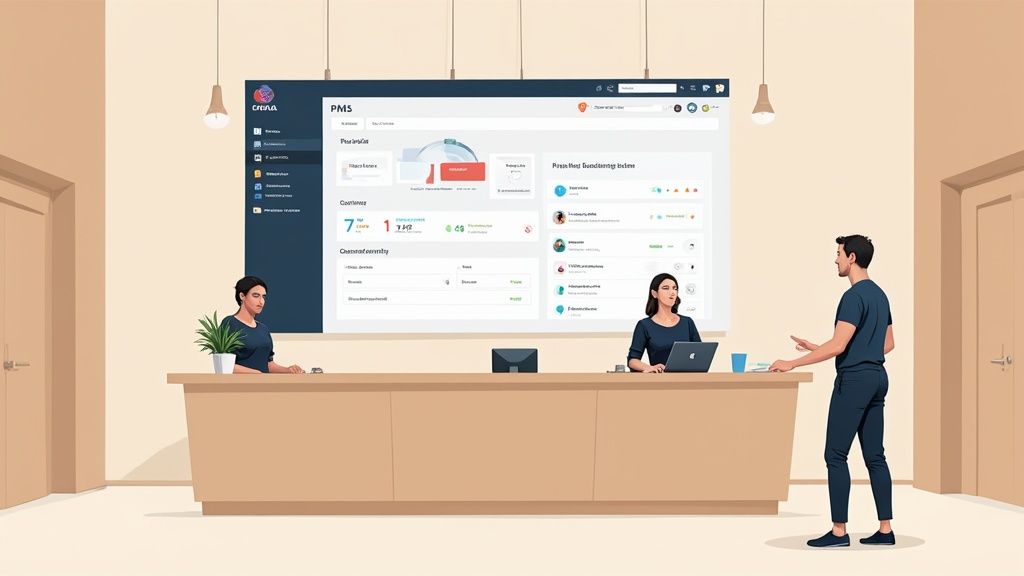
This screenshot from Wikipedia gives you a good overview of what a Property Management System (PMS) does. Think of it as the central nervous system of your hotel. It handles essential functions like reservations, check-in/check-out, and room assignments—all the things that keep your hotel running smoothly day-to-day. But what happens when these functions aren't talking to each other?
Imagine your hotel as a human body. Each department, like the front desk or housekeeping, is a vital organ. Without a nervous system (your PMS) to connect them, communication breaks down. This is the core problem that hotel PMS integration solves. Without it, you're left with information silos, leading to errors, delays, and frustrated staff.
Let's say a guest books a room online. Without integration, housekeeping might not know about it, leading to a potential double-booking. Or imagine a guest requests a late checkout, but the front desk isn't informed, creating confusion and a bad experience for the guest. Small problems quickly become big ones, impacting your reputation and, ultimately, your profits.
Hotel PMS integration connects everything, allowing real-time data flow between departments. When a reservation is made online, housekeeping, the front desk, and revenue management are instantly updated. This shared visibility is a game-changer.
This improved communication allows for proactive management instead of reactive problem-solving. Managers have the information they need to make smart decisions about pricing, staffing, and resources. This is a key advantage in today's competitive market.
The Growing Importance of Integrated PMS
The hospitality industry, particularly in Poland, is rapidly adopting integrated PMS solutions. The move from older systems to cloud-based PMS is especially noticeable among mid-size and larger hotels. It's estimated that 60-70% of hotels with 50+ rooms in Poland have made the switch.
This trend isn’t limited to Poland. The European hospitality software market, including Poland, is showing strong growth. Globally, the hospitality property management software market is expected to jump from $1.22 billion in 2024 to $1.32 billion in 2025, an 8.2% increase. Discover more insights on this market growth. This widespread adoption shows just how valuable hotel PMS integration is for improving efficiency, boosting revenue, and creating a better guest experience. By connecting your systems, you empower your staff to deliver exceptional service.
Building Your Integration Architecture The Smart Way
Think of your hotel's Property Management System (PMS) like the brain of your operation. All other crucial systems, from booking engines to customer relationship management (CRM), need to connect to it to function effectively. This interconnection is what we call PMS integration, and its architecture is the blueprint for how these systems communicate. A well-integrated PMS is like a well-oiled machine, leading to significant improvements in key areas. The infographic below visually represents this impact:
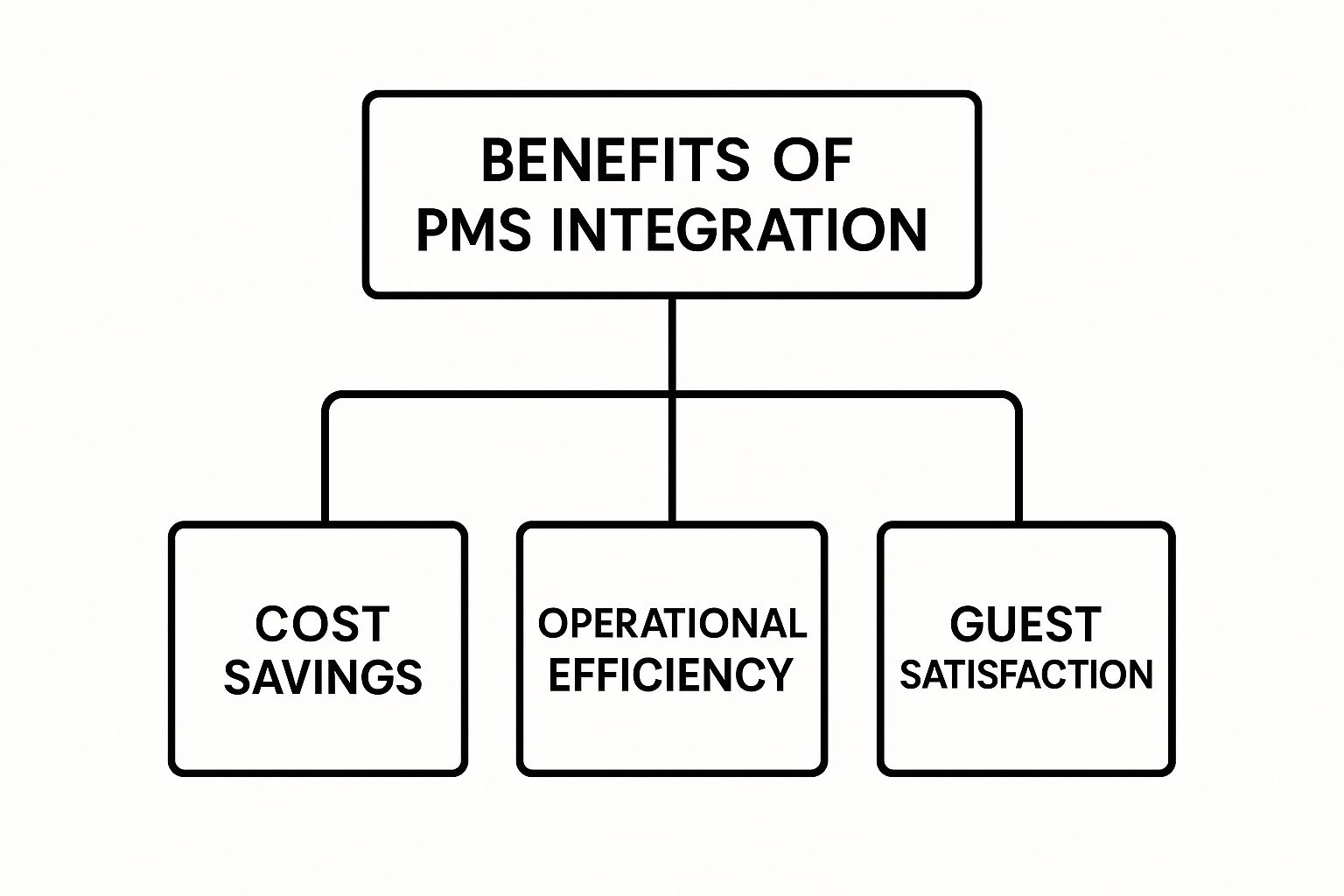
As you can see, operational efficiency plays a central role. By streamlining operations, you not only reduce costs but also enhance the guest experience. This ripple effect demonstrates why a strategic integration architecture is so vital.
APIs: The Language of Your Systems
So, how do these different systems actually "talk" to each other? That's where APIs (Application Programming Interfaces) come in. Imagine APIs as the language these systems use to exchange information. They define the rules and format of communication, ensuring that everyone understands each other. This removes the need for complex, custom coding every time you want to connect a new system. It's like having a universal adapter that works with any plug. Take a look at this image illustrating how APIs bridge different platforms:
The image highlights how APIs facilitate smooth data flow, creating a more unified experience for everyone involved, from your front desk staff to your guests. This easy access to information empowers better decisions at every level of your hotel.
Cloud-Based Solutions: Simplifying Connectivity
Cloud-based PMS solutions, like Salesforce, are rapidly changing the game in hospitality. They offer a much simpler approach to integration. Think of it like plugging multiple devices into a power strip. Each device can draw power independently, but they all connect to a central source. Similarly, cloud-based systems make it much easier to integrate other applications, compared to the often cumbersome integrations required by traditional on-premise systems. Plus, they offer the benefits of automatic updates and enhanced security, freeing up your IT team.
Integration Approaches: Choosing the Right Path
There are several ways to approach hotel PMS integration, each with its own set of advantages and disadvantages. Let's break them down:
- Point-to-Point: This is the simplest approach, connecting two systems directly. It works well for a small number of integrations but can quickly become a tangled mess as you add more systems. Imagine trying to power your entire house with a network of extension cords – messy and inefficient.
- Middleware: This approach uses a central hub to manage connections, simplifying things compared to point-to-point. However, this central hub can become a bottleneck as your needs grow.
- Integration Platforms: Particularly those offered by cloud-based PMS providers, these platforms offer the most flexible and scalable solution. They allow you to connect and manage many applications efficiently, similar to a smart home hub controlling all your connected devices.
To illustrate the differences, let's look at a comparison table:
PMS Integration Architecture Comparison
| Integration Type | Complexity | Scalability | Cost Range | Best For |
|---|---|---|---|---|
| Point-to-Point | Low (initially), High (as connections grow) | Low | Low (initially), High (as connections grow) | Limited integrations |
| Middleware | Medium | Medium | Medium | Moderate number of integrations |
| Cloud Platform | Medium (setup), Low (ongoing) | High | Medium to High | Large number of integrations, future growth |
The table highlights the key differences in scalability and complexity. While point-to-point might be tempting for its initial simplicity, cloud platforms offer the best long-term solution for growing hotels.
You might be interested in: Read also: Further considerations for your hotel's technology
Choosing the right integration architecture is a critical decision. A well-designed system enhances efficiency, improves guest satisfaction, and empowers data-driven decision-making. Conversely, a poorly planned architecture can lead to data silos, integration headaches, and lost revenue. By considering your current and future needs, you can build a scalable and flexible architecture that sets the stage for long-term success.
Essential Connections That Drive Immediate Results
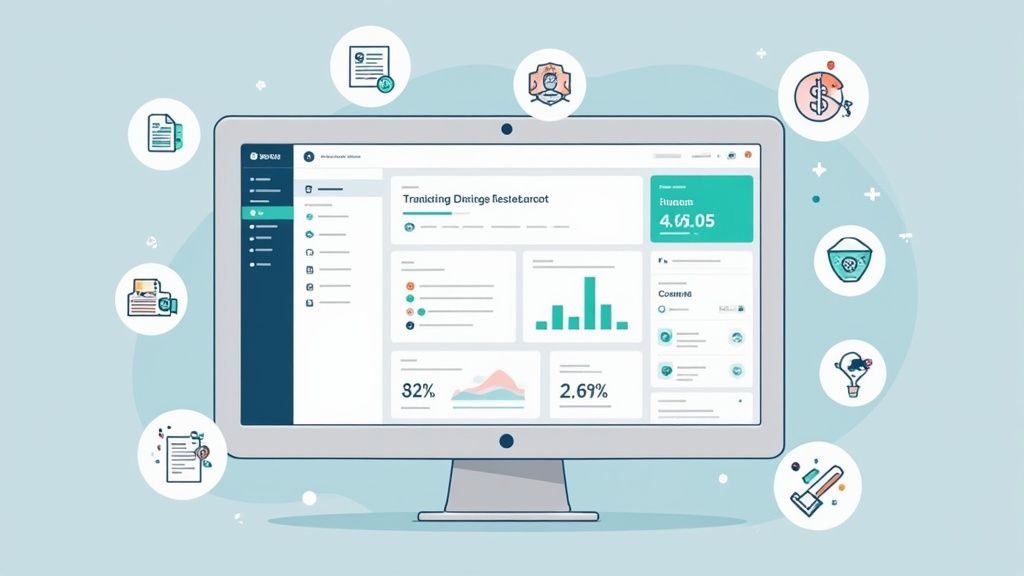
Not all integrations are created equal. Think of it like building with LEGOs: some bricks are foundational, essential for the whole structure, while others add detail. When it comes to your Property Management System (PMS), certain integrations, like connecting to a Channel Manager, are those crucial first bricks. They deliver immediate, noticeable improvements, while others offer benefits that are less obvious at first. This section explores the must-have hotel PMS integrations that give you those quick wins and create a solid base for a well-connected, thriving hotel.
Channel Management: Your First Line of Defense
Picture this: you’re juggling reservations from Booking.com, Expedia, and your own website, all while trying to avoid overbookings. Sound stressful? It is. Many hoteliers face this daily challenge. Integrating your PMS with a Channel Manager solves this by syncing your inventory across all platforms in real-time. It's like having a central air traffic control tower for your bookings, making sure everything runs smoothly and preventing those costly double-bookings. This real-time synchronization frees your staff from constantly updating availability on different systems, giving them more time to focus on what matters most: your guests.
Payment Processing: Speeding Up Transactions
Slow payment processing is a major frustration for guests. Nobody wants to wait in a long line just to check out. Integrating your PMS with a payment processor smooths out this process, making transactions faster and the guest experience far better. This integration can automate payments, reduce manual data entry errors (we all make them!), and give you a clearer, more accurate picture of your hotel's financial performance. Imagine a guest checking out with charges from the restaurant, spa, and room service. An integrated system combines everything into one easy-to-understand bill, significantly speeding up checkout.
Housekeeping: Keeping Operations Flowing
Think of housekeeping as the engine room of your hotel: if it's not running smoothly, everything else is affected. A housekeeping system integrated with your PMS gives real-time room status updates. Housekeeping staff know exactly which rooms need attention, allowing them to prioritize cleaning and prepare rooms quickly for incoming guests. No more guessing games or miscommunication. This system also gives you valuable data on cleaning times and room usage, helping you manage staff and resources more effectively.
A 2024 survey of PL hoteliers showed just how vital seamless integration is, especially with channel managers and booking engines. Over 65% said this was a key factor in their PMS choice. Even more telling, over 80% of PL hotels reported fewer overbookings after integrating these systems. Real-time inventory updates make a real difference. Discover more insights on this market trend.
These core integrations are just the starting point. As your hotel grows, you can expand your integrated system to include revenue management systems, guest communication platforms like hotel chatbots, and much more. By prioritizing these high-impact connections, you're building a strong foundation for a more efficient, profitable, and guest-focused hotel.
Implementation That Protects Your Operations
Implementing a new hotel PMS integration is a big project. Think of it like renovating your hotel during the busiest time of year. If you're not careful, things can get messy and impact your bottom line. But with the right plan, you can minimize disruptions and set yourself up for success. This section explores proven implementation strategies, sharing lessons learned from hotels that have successfully integrated their systems, from the initial audits and choosing the right vendor to training staff and rolling out the system in phases.
Avoiding the "Flip the Switch" Approach
Imagine flipping a switch and suddenly all your hotel's systems change at once. It would be complete chaos! This "flip the switch" approach almost never works in hospitality. Savvy hotels opt for phased rollouts. This means gradually transitioning to the new system while keeping everything running smoothly. It lets your staff adjust to the new technology bit by bit, making it easier to learn and reducing potential mistakes.
Key Preparation Steps: Building a Solid Foundation
There are a few crucial steps that lay the groundwork for a seamless implementation:
-
Data Migration Planning: This is like carefully moving all your guest data, bookings, and other important records to the new system. A solid plan keeps your data safe and minimizes the risk of losing anything during the transfer.
-
Staff Communication: Keeping your staff in the loop is vital. Clear and consistent communication manages expectations, reduces any anxiety about the new system, and helps your team feel involved.
-
Backup Procedures: What if something goes wrong during the switch? Strong backup procedures are your safety net, ensuring you can keep operating even if there are unexpected problems. This might mean running both the old and new systems simultaneously for a short time.
Managing Change and Measuring Progress
Change can be tough, and implementing a new system often faces some resistance. Addressing these concerns head-on is key. Successful hotels do this by:
-
Change Management Strategies: These strategies focus on actively engaging with staff, listening to their concerns, and providing enough training to build their confidence in the new system.
-
Effective Training Programs: Hands-on training that’s tailored to each department’s specific needs makes sure everyone knows how to use the new system and get the most out of it.
-
Progress Tracking: Regularly checking key metrics like system uptime, transaction speed, and how well staff are using the system helps identify potential problems early and allows for quick adjustments.
Phased Rollouts: Minimizing Disruption
A phased rollout involves introducing the new PMS integration step by step, maybe starting with a small pilot group or one specific department. This approach has a few key advantages:
-
Controlled Testing: The first phase acts as a real-world test, letting you find and fix any issues before everyone starts using the system.
-
Gradual Adaptation: Staff can adjust to the new system at their own pace, reducing the chances of feeling overwhelmed and leading to better adoption rates.
-
Minimized Risk: By rolling out the system incrementally, you can isolate and manage potential issues without affecting the whole hotel operation.
Implementing a new hotel PMS integration is a journey, not a sprint. By following these strategies, you can navigate this process smoothly, minimizing disruptions and maximizing the benefits for your hotel in the long run. From thorough planning and staff training to phased rollouts and continuous monitoring, a strategic approach ensures your investment in a new PMS delivers the results you want—increased efficiency, happier guests, and a healthier bottom line.
To help you visualize the typical implementation timeline, take a look at the table below:
PMS Integration Implementation Timeline
Let's take a look at a typical implementation timeline, broken down phase by phase:
| Phase | Duration | Key Activities | Success Metrics | Risk Factors |
|---|---|---|---|---|
| Planning & Assessment | 2-4 weeks | System audit, vendor selection, budget allocation | Defined scope, chosen vendor, approved budget | Unrealistic timelines, unclear requirements |
| Configuration & Development | 4-8 weeks | System setup, data migration, testing | Successful data migration, system stability | Data incompatibility, integration errors |
| Training & Deployment | 2-4 weeks | Staff training, phased rollout, go-live support | User adoption rates, system performance | Insufficient training, change resistance |
| Post-Implementation & Optimization | Ongoing | Performance monitoring, system updates, ongoing support | Improved efficiency, guest satisfaction scores | Lack of ongoing maintenance, vendor support issues |
This structured approach provides a solid framework for your integration project, ensuring a smooth transition and setting the stage for long-term success. Remember, successful implementation is a team effort—it requires careful planning, clear communication, and ongoing improvements.
Measuring Success Beyond Technical Uptime
So, you’ve launched your hotel PMS integration. Systems are chatting, data is flowing, and no alarms are blaring. That's great! But how do you know if it's really making a difference? Think of it like planting a garden. You wouldn’t just sow the seeds and walk away, right? You’d check for growth, water the plants, and watch for signs of a healthy harvest.
Similarly, a successful hotel PMS integration is about more than just keeping the systems running. It's about cultivating real improvements in your business.
The Metrics That Matter: Beyond Uptime
System uptime is essential – it's the foundation. But true success lies in how the integration impacts your hotel’s daily operations, bottom line, and the experiences of your guests. Here’s what to keep an eye on:
-
Operational Efficiency: Think about the everyday tasks. Are they getting done quicker? Are your staff members feeling less stressed and more productive? Are there fewer mistakes? These are all telltale signs of a well-oiled machine, thanks to streamlined workflows.
-
Revenue Growth: This is where the rubber meets the road. Are direct bookings trending upwards? Is your average daily rate (ADR) looking healthier? Integration can open up new revenue streams by giving you clearer data for smart pricing and targeted upselling.
-
Guest Satisfaction: Happy guests are the heart of any successful hotel. Are your online reviews glowing? Are guests commenting on a smooth and easy check-in/check-out process? Positive experiences translate to repeat bookings and valuable word-of-mouth referrals.
These metrics give you a much richer understanding of your integration's impact than just checking if the systems are online. For example, let's look at some real-world results.
A 2023 case study of a Warsaw hotel chain showed impressive gains after integrating their PMS with a channel manager and CRM. Processing new reservations, which used to take 8 minutes, now takes less than 3. That's a huge time saver! They also saw a 22% increase in staff productivity and a 15% jump in direct bookings, thanks to integrated loyalty programs and automated guest communication. Discover more insights about these results.
Data-Driven Decisions: The Power of Integration
Integrated systems put powerful insights at your fingertips. They provide:
-
Improved Reporting: Imagine having clear access to data from every department, all in one place. This gives you a bird's-eye view of your hotel’s overall performance.
-
Accurate Forecasting: Real-time data fuels accurate predictions of future demand, occupancy, and revenue. It's like having a crystal ball, but based on real information.
-
Actionable Insights: Analyzing this integrated data reveals key trends, helps optimize pricing, and allows you to personalize guest experiences in ways that truly resonate.
This data-driven approach keeps hotels ahead of the curve, ready to adapt to market changes. For additional information, you might be interested in reading about measuring customer satisfaction. Instead of reacting to problems, you can anticipate them and seize opportunities before they vanish. This is the real measure of a successful hotel PMS integration.
Avoiding Integration Disasters That Cost Money
Even with the best planning, hotel PMS integrations can sometimes go wrong, becoming expensive headaches if you're not careful. This section explores the most common traps hotels fall into during integration and provides practical advice for avoiding them. We'll learn from hotels who've faced these challenges first-hand—from data syncing issues and resistant staff to vendor compatibility problems and unexpected budget blowouts.
The Perils of "Set It and Forget It"
One of the biggest mistakes is thinking you can just "set it and forget it." Imagine planting a garden and then never watering or weeding. What happens? It dies. Your hotel PMS integration is similar. It needs regular care and attention to flourish. Neglecting maintenance and optimization creates bigger problems later. Think of software updates as vitamins for your system, keeping it healthy and performing well.
Real-World Integration Nightmares
Let's look at some real-world examples of integrations gone wrong:
-
Overcomplicating the System: One hotel tried to integrate every system at once, creating a tangled mess they couldn't manage. It’s like building a house with too many rooms and not enough doors – confusing and inefficient.
-
Incompatible Vendors: Another hotel chose vendors whose systems couldn't communicate with each other. It’s like trying to force a square peg into a round hole. Thorough vendor research is essential for smooth integration.
-
Underestimating Training: A third hotel underestimated the importance of staff training. Their team struggled with the new system, leading to frustration and mistakes. It's like giving someone a sports car without teaching them how to drive – risky and unproductive.
These examples show the importance of thoughtful planning and execution.
Practical Advice from the Trenches
We've talked to hotel managers who’ve learned these costly lessons. Their advice?
-
Thorough Vendor Evaluation: Don't just pick the cheapest option. Choose vendors with a good track record, strong customer support, and systems that work well with your existing setup.
-
Realistic Project Scoping: Start with a smaller project and focus on the most important integrations first. You can always add more later. It's like building a house one room at a time – manageable and steady progress.
-
Risk Mitigation Strategies: Always have a backup plan. What if the integration doesn’t go as expected? A backup system and clear communication can prevent major problems.
Recognizing Warning Signs and Building Contingency Plans
Just like a doctor checks vital signs, you need to monitor your integration for red flags:
-
Data discrepancies between systems: This might indicate a syncing issue.
-
Staff struggling with the new system: This shows the need for better training or a simpler user interface.
-
Unexpected costs adding up: This suggests the initial budget wasn't realistic or the project was too broad.
By watching for these warning signs and having backup plans, you can protect your hotel’s operations and keep your PMS integration project on track. A well-integrated system is an investment in your hotel’s future, improving efficiency, increasing guest satisfaction, and ultimately boosting revenue. But it requires careful planning, regular maintenance, and a willingness to adjust and learn.
Key Takeaways For Your Integration Success
Transforming your hotel operations with hotel PMS integration needs a solid plan. Just like a road trip, you wouldn't start driving without knowing your destination or having directions. This section gives you concrete next steps to guide your integration process, from assessing your existing systems to selecting the right partners and tracking your success.
Assessing Your Needs and Building Your Case
Before getting into the technical aspects, understand your hotel's specific needs and challenges. Are overbookings a constant headache? Does your staff spend too much time on manual tasks? Identifying these challenges builds a strong case for integration. This justification is essential to get everyone on board and secure the necessary budget. Think of it as mapping your route – you need to know your starting point before charting your course.
Selecting the Right Partners
Picking the right implementation partner is as vital as choosing the right PMS. Look for partners with a proven track record in the hospitality sector and a deep understanding of hotel PMS integration. Ask them about their experience, their support services, and how they handle potential bumps in the road. They're like your co-pilots on this integration journey – you need someone reliable to navigate the complexities.
Establishing Realistic Timelines and Budgets
Integrating a hotel PMS takes time and resources. Avoid unrealistic expectations, which can derail the project. Collaborate with your chosen partner to develop a realistic timeline and budget, accounting for possible delays and unforeseen expenses. This careful planning avoids surprises later. Just like a well-planned trip factors in potential traffic delays, your integration timeline should accommodate unexpected issues.
Optimization and Ongoing Success
Successful hotel PMS integration isn't a one-off project. It requires continuous optimization and maintenance. Regularly check your key performance indicators (KPIs), like booking conversion rates and guest satisfaction scores, to ensure the integration is delivering. Stay updated on the latest software updates and industry best practices. Our guide on AI in the Hospitality Industry offers valuable insights. Think of it like maintaining a garden – it needs constant attention to flourish.
Following these key takeaways will help you transform hotel operations, improve guest satisfaction, and boost profits. Don't miss out on valuable opportunities. See how Voicetta, an AI-powered communication platform, can further improve your guest experience by seamlessly handling calls and chats 24/7, integrating easily with your PMS and other essential systems.
Was this useful?
If this article helped, add Voicetta as a preferred source in Google Search. Your results can then highlight our writing.
Add as preferred source